Pre-Roll Trends in 2026: What Cannabis Brands Need to Know
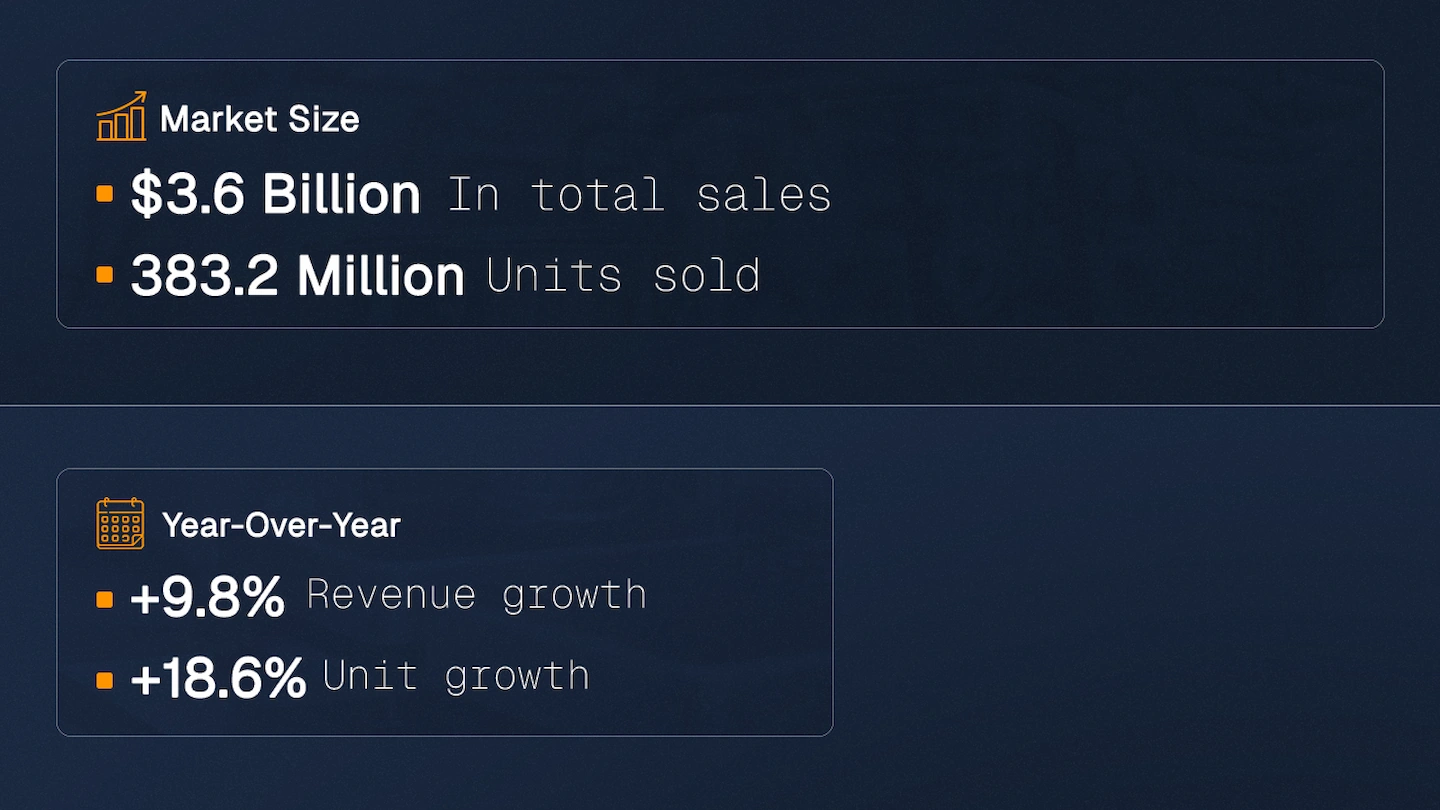
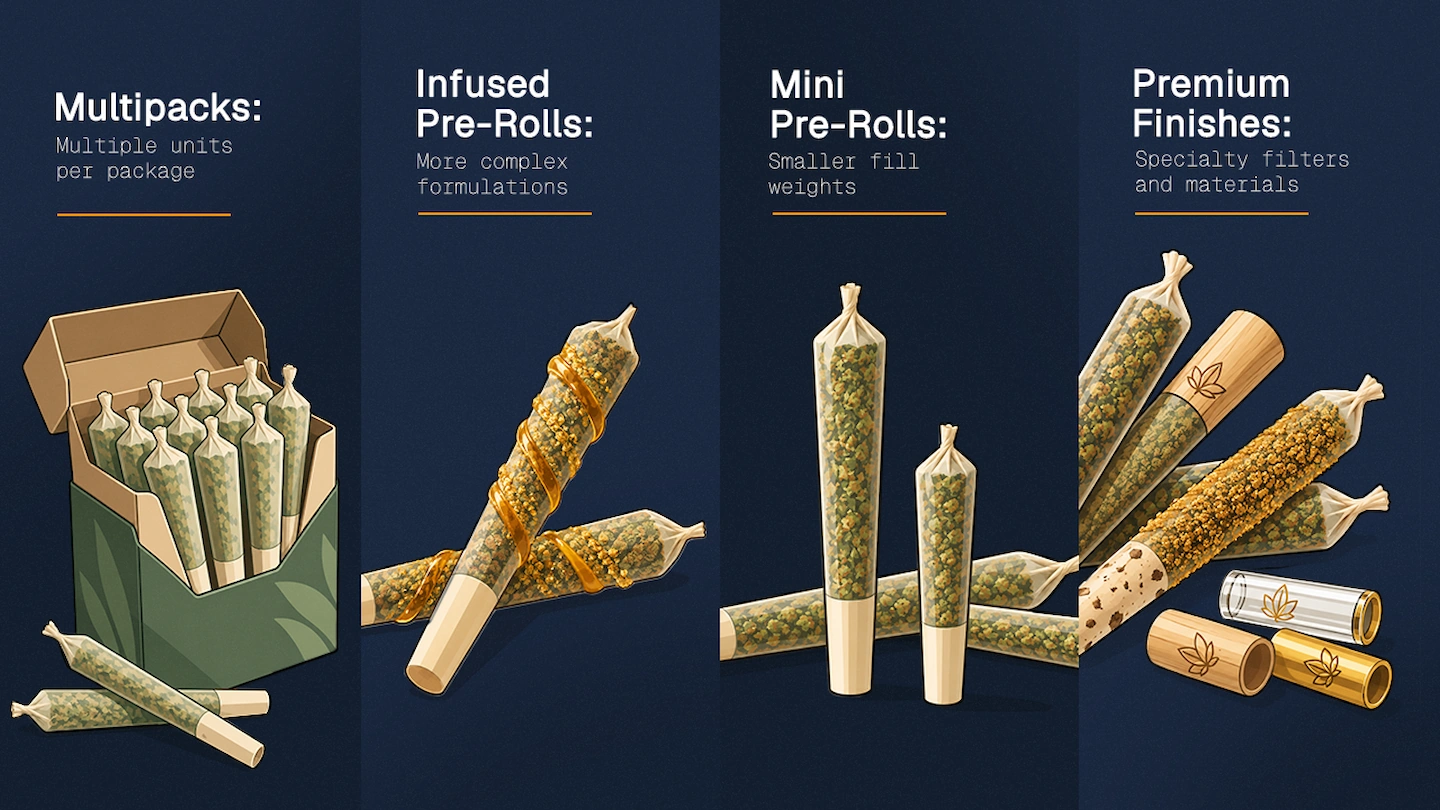
There's a lot more to pre-rolls these days than just flower packed into a cone. Infused joints, mini pre-rolls, multipacks, and premium options are giving cannabis brands more ways to stand out. And with U.S. pre-roll sales reaching nearly $3.6 billion in 2025 [1], there's plenty of opportunity in this growing category.
But keeping up with consumer demand isn't just about launching new products. Brands also need to think about pricing, packaging, and how to produce different pre-roll formats consistently at scale.
So, what's changing in 2026? We're breaking down the biggest pre-roll trends, from the products gaining traction to the manufacturing developments brands should have on their radar.
Infused and Premium Pre-Rolls
Cannabis brands are finding new ways to upgrade the traditional pre-roll, whether that means adding concentrates for extra potency or changing the construction of the joint itself.
Infused Pre-Rolls
Infused pre-rolls aren't a niche product anymore. In 2025, they generated $1.68 billion in sales, accounting for nearly 47% of all pre-roll revenue. Unit sales also jumped 27.8% year over year, making infused pre-rolls the fastest-growing segment.
More recent data commissioned by Taima shows that growth continuing into 2026. According to BDSA retail sales tracking, U.S. infused pre-roll sales reached $1.19 billion from April through September 2026, up 14.2% from the previous six months [2].
Infused pre-rolls combine cannabis flower with concentrates like kief, hash, distillate, or rosin for added potency and flavor.
But there's more than one way to do it: some brands mix concentrates directly into the flower, while others inject them into the center or coat the outside of the joint. Each method creates a different product with its own manufacturing considerations.
Consumers are also paying a premium for these products. At an average of $7.50 per gram when adjusted for weight, infused pre-rolls were the most expensive pre-roll segment.
For cannabis brands, the opportunity goes beyond adding more concentrates. Choosing the right infusion method matters, especially when you're producing infused pre-rolls at scale and need consistent results from one batch to the next.
Premium Pre-Rolls
Not every premium pre-roll needs an extra dose of concentrate. Some brands are upgrading the filter tip instead. Glass, ceramic, and wood tips offer a different look and feel than traditional paper tips, giving brands another way to make their products stand out.
It's still a small market, at least based on what's being tracked. Researchers identified just 205 pre-roll SKUs that explicitly advertised premium filter tips in their product names, accounting for only 0.03% of sales. Yet more than 21% of surveyed consumers said they purchased pre-rolls with premium tips at least once a week.
That suggests there's room for brands to experiment, although premium tips are far from mainstream. A glass or ceramic tip might look impressive, but it still needs to fit securely, work with the pre-roll's construction, and hold up during handling. After all, a fancy tip won't make up for a poorly packed joint that struggles to burn evenly.
Pre-Roll Formats and Sizes
From single joints to packs of minis, pre-rolls now come in more sizes and configurations than ever. And consumers aren't necessarily sticking to just one format.
Multi-Packs
Pre-roll multi-packs have been gaining ground for years. In 2025, they accounted for 48.5% of pre-roll SKUs, up from 37.7% in 2021. They also made up 90 of the 100 best-selling pre-roll products, compared to 78 the previous year, according to the 2026 State of the Pre-Roll Market Report.
Five-packs have been particularly successful. The 2.5-gram five-pack generated $612 million in sales in 2025, representing 17.2% of total pre-roll revenue. Brands are also offering two-packs, eight- and ten-packs, and larger packs containing 14 or more joints. Single-strain packs remain much more common than variety packs.
Buying in bulk generally means paying less per joint, and customers can stock up without making as many trips to the dispensary. Multi-packs also put product consistency on display. When five or ten pre-rolls sit side by side in the same package, uneven filling, different shapes, or sloppy finishing become much easier to notice.
Single Pre-Rolls
Despite the growth of multi-packs, single pre-rolls are still selling in huge numbers. The 1-gram single generated $1.44 billion in revenue in 2025, making it the best-selling individual pre-roll format.
Singles give customers a chance to try a new strain without committing to an entire pack. They're also a convenient option for anyone who only wants one joint rather than five or ten.
For your cannabis brand, there's a place for both formats. Offering singles alongside multi-packs gives shoppers more flexibility in how much they purchase, whether they're trying something new or stocking up on a favorite.
Mini Pre-Rolls and Dogwalkers
A full gram of flower isn't always necessary, especially for a quick smoking session. Smaller pre-rolls, including half-gram joints and 0.3-gram "dogwalkers," offer an alternative for consumers who prefer smaller amounts.
Dogwalkers are typically made with shorter, 70mm cones and are increasingly sold in multi-packs. Their smaller size makes them suitable for shorter sessions, while packs containing several minis can give consumers an opportunity to sample different strains.
Producing smaller pre-rolls does require some precision, though. When you're filling a cone with just 0.3 grams of flower, even a small difference in weight can throw off the finished product. Manufacturers need to account for those tighter tolerances when choosing cone sizes, adjusting equipment, and setting up production runs.
Pre-Rolled Blunts
Pre-rolled blunts are getting some attention from cannabis manufacturers, although sales figures don't tell the whole story. In 2025, the standard Cannagar/Blunt category generated about $16.3 million in sales. That figure excludes infused blunts, which are typically counted in the infused pre-roll category.
A broader search of products with "blunt" in their names found more than $148 million in revenue across 8.5 million units sold. That's a considerable difference, and it shows how difficult it can be to measure the category accurately.
Blunts aren't part of every manufacturer's lineup, either. Just 36.2% of surveyed manufacturers reported producing them, while another 15.8% planned to introduce them.
For brands considering pre-rolled blunts, the wrap is an important part of the production equation. Different materials, thicknesses, and dimensions can affect how blunts are filled, packed, and closed. Those details need to be worked out before introducing a new format to an existing production line.
Pre-Roll Pricing
Pre-roll prices vary considerably depending on what you're buying. While the average price has been falling, premium infused products and budget-friendly joints continue to occupy very different parts of the market.
Falling Pre-Roll Prices
Pre-rolls are getting cheaper, even as the category continues to grow. The average pre-roll product price dropped to $9.31 in 2025, down 6.6% from the previous year and nearly 20% below the 2022 peak of $11.70. As cannabis markets mature and more flower becomes available for pre-roll production, prices have continued to come down.
There's a catch with those averages, though. A single joint and a five-pack both count as one product, even though you're getting very different amounts of cannabis. When adjusted for weight, the average pre-roll price was $5.95 per gram, with retailers paying an average of $3.23 per gram.
Taima's newer data shows a similar pricing trend within the infused pre-roll market. From April through September 2026, the average price per equalized unit fell 1.6% compared to the previous six months, while unit sales increased 11%. More products are selling, but manufacturers aren't necessarily getting higher prices for them.
Prices also vary considerably by product type. Infused pre-rolls averaged $7.50 per gram, compared to $4.50 for mixed-strain products. So while pre-roll prices are falling overall, there's still a market for higher-priced products.
For manufacturers, that makes it important to look beyond the category average. The amount of flower, type of concentrate, package size, and cost of production all affect what you can realistically charge.
Premium vs. Value Pre-Rolls
Jeeter and Dragonfly Cannabis offer a good example of just how different pre-roll pricing strategies can be.
Jeeter generated $253.2 million in sales in 2025, with an average price of $23.06 per item. The brand specializes in premium infused pre-rolls, including popular 2.5-gram five-packs.
Jeeter has continued growing in 2026, too. Taima-commissioned BDSA data shows the brand generated $135.1 million in infused pre-roll sales from April through September, an increase of 19.7% over the preceding six months.
Dragonfly Cannabis takes a different approach. The Michigan-based brand sold 22.6 million pre-roll products, more than any other individual brand tracked in the report. Its average item price was just $1.35, with traditional 1-gram singles making up much of its lineup. Despite the lower prices, Dragonfly brought in approximately $30.5 million in revenue.
Of course, comparing a premium infused five-pack to a traditional single isn't exactly apples to apples. Jeeter's products contain more cannabis per package and often include concentrates, while Dragonfly focuses on moving large quantities of lower-priced joints.
Taima's latest data also shows premium infused pre-roll brands growing faster than their lower-priced competitors. Brands averaging $11 to $14 per equalized unit saw sales increase 23.3% over the previous six months, compared with 9.2% growth for brands priced below $7. Despite falling average prices, higher-priced infused products are still finding plenty of buyers.
Both approaches have proven successful, but they require different production strategies. If you're developing a premium infused product, you'll need to account for concentrates, additional processing, and potentially more expensive packaging.
A value-focused pre-roll, meanwhile, depends more heavily on keeping production costs down while maintaining consistent quality. Charging more doesn't automatically mean making more profit, especially if your manufacturing costs eat up the difference.
Pre-Roll Packaging
Packaging needs to do more than protect the product inside. Cannabis brands are also experimenting with different materials, designs, and features to accommodate new pre-roll formats.
Functional Pre-Roll Packaging
A five-pack that gets opened one joint at a time needs different packaging than a single pre-roll. With more brands offering multipacks and smaller formats, resealable pouches, tins, and other containers designed for repeated use are becoming increasingly relevant.
Freshness is a big consideration, especially when consumers might take days or weeks to finish a pack. Airtight seals can help limit exposure to air, while UV-protective materials and moisture control can help preserve the flower inside. The packaging also needs to keep pre-rolls from getting crushed or damaged during shipping and handling.
Size matters, too. A package designed for five full-gram joints might not work well for smaller dogwalkers. Brands need to consider how securely their products fit, how easily customers can access them, and whether the packaging meets applicable child-resistance and labeling requirements.
Premium Pre-Roll Packaging
Cannabis brands are also getting more creative with how they package their premium pre-rolls. Glass tubes, custom boxes, and foil-stamped cartons are among the options being used to give products a more upscale appearance.
The finishing details can make a difference. Matte coatings, embossed lettering, and soft-touch textures give packaging a different look and feel than a standard plastic tube. Some brands favor minimalist designs with simple typography, while others use bold colors and graphics to catch shoppers' attention.
These upgrades can help distinguish a premium infused pre-roll from a budget-friendly single on dispensary shelves. They also come at a cost, so brands need to consider whether the packaging makes sense for the product's price point.
Sustainable Pre-Roll Packaging
Plastic tubes and pouches are common in the cannabis industry, but there's growing interest in alternatives that generate less waste. In research from Brightfield Group, 69% of surveyed cannabis consumers said they sometimes or often purchased products with sustainable packaging [3].
Brands are exploring recyclable materials, biodegradable tubes, and compostable cartons and pouches. But switching to something that looks more environmentally friendly isn't always as simple as replacing plastic with paper.
Packaging still needs to protect the pre-roll from moisture, air, and physical damage while meeting regulatory requirements. Some recyclable materials also contain coatings or liners that complicate disposal. Before making the switch, brands should check whether the finished package can actually be recycled or composted and how the alternative affects costs, freshness, and product protection.
Pre-Roll Manufacturing and Production
Producing a traditional flower pre-roll is quite different from making an infused joint with multiple concentrates. As brands expand their product lines, manufacturers are adapting their equipment and processes to handle more complex products.
More Complex Pre-Roll Products
Cannabis brands aren't just producing more pre-rolls. They're making more varieties, too. In 2025, 63,552 new pre-roll products hit the U.S. market, with hybrid/single-strain and infused products accounting for roughly 81% of those launches. For the first time, more than half of all new pre-roll products were multipacks.
That variety creates new challenges on the production floor. A manufacturer might produce traditional 1-gram joints one day and half-gram infused pre-rolls the next. Different sizes require adjustments to filling weights and cone dimensions, while infused products add concentrates that may need to be mixed, injected, or applied to the outside.
We've seen infused blends run smoothly in small test batches, then become difficult to work with on an automated filling line. Kief can separate from the flower during handling, while sticky oils can cause clumping and uneven fills. Sometimes the fix is to adjust the formulation so it feeds consistently, not buy a different machine.
Pre-Roll Automation
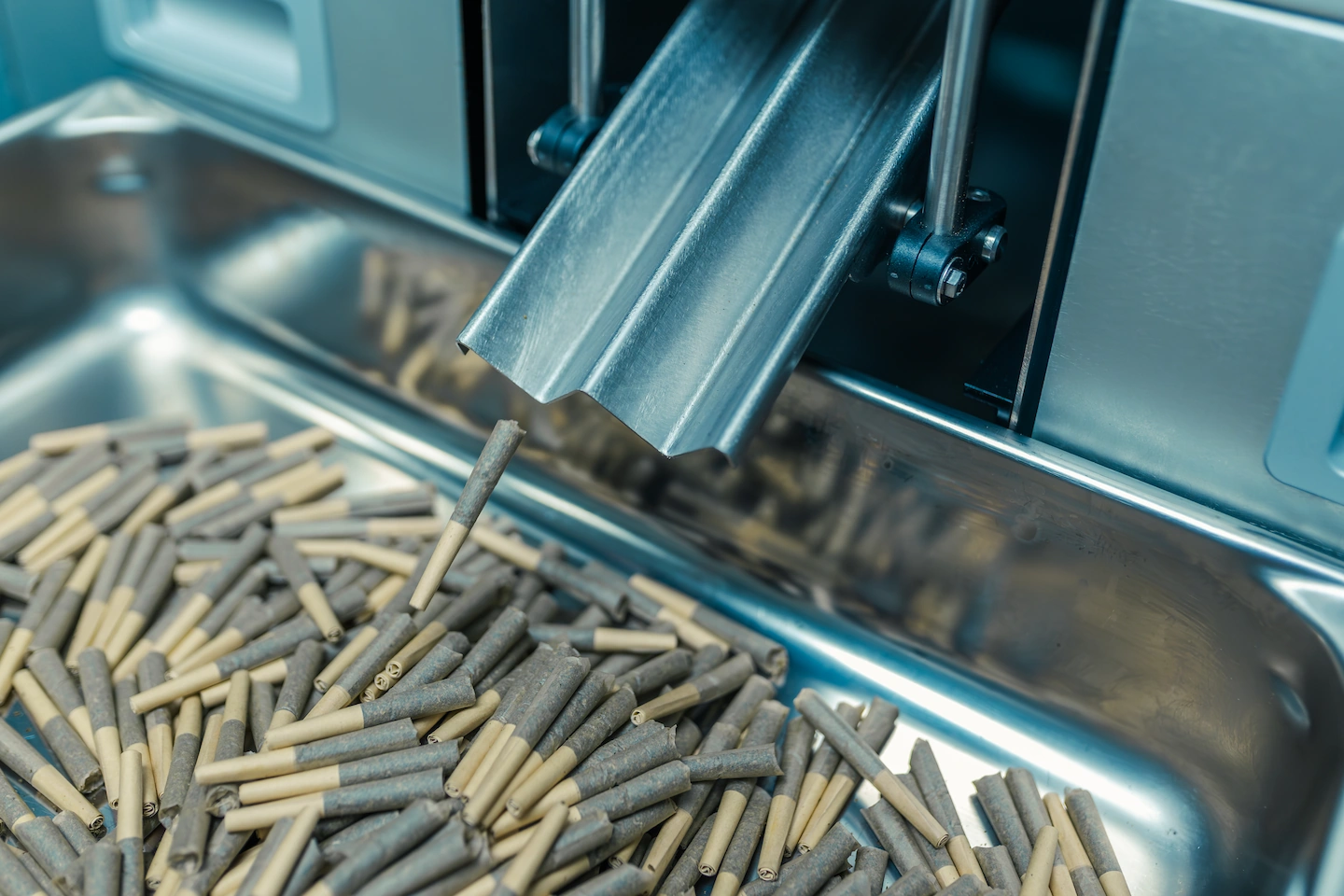
Making pre-rolls by hand can work for smaller batches, but it gets labor-intensive when you're producing thousands of joints. That's why more manufacturers are turning to automation to handle repetitive tasks and increase output.
Mid-sized cannabis companies are also seeing considerable growth. Taima's commissioned research identified 90 companies with $1 million to $10 million in six-month infused pre-roll sales whose revenue grew nearly 45% over the previous period. Together, they accounted for more than half of the market's added sales dollars, despite representing just 21% of total sales. For manufacturers growing at that pace, keeping filling, coating, and packaging operations running efficiently becomes especially important.
Today's pre-roll equipment can help with nearly every stage of production. Grinders and sifters prepare flower for filling, while automated filling machines help control weight and density. Other systems handle concentrate injection, exterior coating, closing, and packaging.
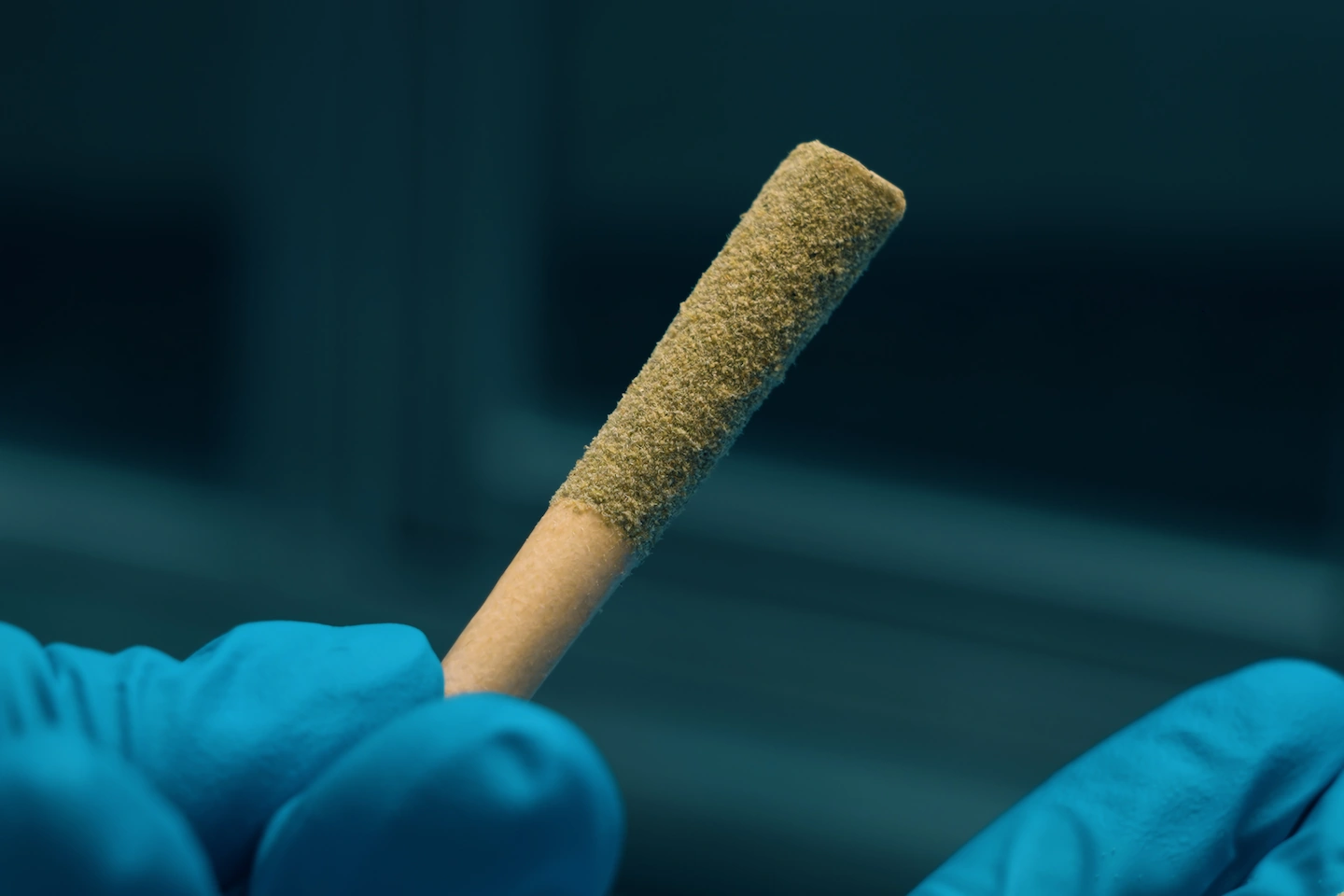
At Taima, the limitations of coating pre-rolls by hand helped drive the design of our own automated kief coating machine. It handles 20 pre-rolls per cycle, with separate adhesive and kief application stages to help control coverage.
But coating more joints per hour doesn't necessarily mean producing more finished products. If closing or packaging can't keep up, the production line is still limited by that slower step. That's why we look at finished output across the entire line, not just one machine's advertised speed.
Consistency at Scale
Producing 100 pre-rolls that look nearly identical is one thing. Maintaining that same consistency across 10,000 units takes more control over the production process.
Fill weight, flower density, and finished dimensions all need to stay within acceptable tolerances. Infused pre-rolls add more variables, including the amount of concentrate used, how evenly it's distributed, and whether exterior coatings cover each joint consistently.
Two infused pre-rolls can weigh the same but contain different amounts of flower and concentrate. When a center-injected core sits off-center or oil collects against the paper, we check the flower fill before adjusting the injector. Uneven packing density can affect where the concentrate ends up, and changing injection settings won't fix an uneven fill.
With multipacks, differences in size, coating, or finish also become more noticeable when several joints are packaged together.
Regular equipment calibration, in-process weight checks, and inspections for uneven filling or coating can help manufacturers catch problems before they affect an entire batch. Documenting formulations, machine settings, and quality control results also makes it easier to maintain consistent specifications across production runs.
The Future of Pre-Rolls
Cannabis brands are finding success with very different pre-roll products. Some brands are doing well with affordable singles, while others are finding success with infused five-packs, smaller joints, and premium products. And as more options hit dispensary shelves, brands have to think carefully about what they're making, who they're selling to, and how much it costs to produce.
That also means having the right production setup. A brand making traditional flower pre-rolls has different needs than one producing infused joints with multiple concentrates. Whatever the format, manufacturers need equipment and processes that can keep up with demand without compromising consistency or eating into profit margins.
At Taima Extracts, we know these challenges firsthand. We help cannabis brands develop and scale infused pre-roll production with a focus on precision, efficiency, and consistent results.
Looking to expand your pre-roll lineup or increase production? Get in touch with our team to discuss your next steps.
Pre-Roll Trends: Frequently Asked Questions
Here are answers to some common questions about what's selling and what sets these products apart.
What Is the Most Popular Type of Pre-Roll?
Traditional flower pre-rolls remain popular, but infused pre-rolls have become a major part of the market. Infused options combine flower with concentrates such as kief, hash, or cannabis oil for higher potency and different flavor profiles.
Are Infused Pre-Rolls Becoming More Popular?
Yes. Infused pre-rolls have grown considerably in popularity, particularly among consumers looking for higher potency and more premium options. Brands are also experimenting with different concentrates, flavors, and infusion methods to create products that stand apart from traditional flower pre-rolls.
Are Pre-Roll Singles or Multi-Packs More Popular?
Both remain popular, but multi-packs have become an increasingly important part of the pre-roll market. They give consumers several pre-rolls in one package and are available in formats ranging from full-size joints to smaller half-gram and mini pre-rolls. Singles remain a convenient option for trying a product or buying a smaller quantity.
What Size Pre-Roll Is Most Popular?
The 1-gram pre-roll remains one of the most common sizes, but smaller formats are gaining attention. Half-gram pre-rolls and mini or “dogwalker” sizes are particularly well suited to multi-packs and shorter sessions.
What Should You Look For in a Pre-Roll?
Consider the flower or other cannabis material used, potency, size, construction, and whether the product is infused. A quality pre-roll should have an even fill and consistent construction, while the packaging should protect the product and help maintain freshness.
Sources
[1] Custom Cones USA. (2026). 2026 State of the Pre-Roll Market Report.
[2] BDSA. (2026). U.S. Infused Pre-Roll Market, April–September 2026.
[3] Brightfield Group. (2023). Cannabis consumer sustainability research, as reported by MJBizDaily, "Do Cannabis Consumers Prioritize Cost Over Sustainability?" (2024).