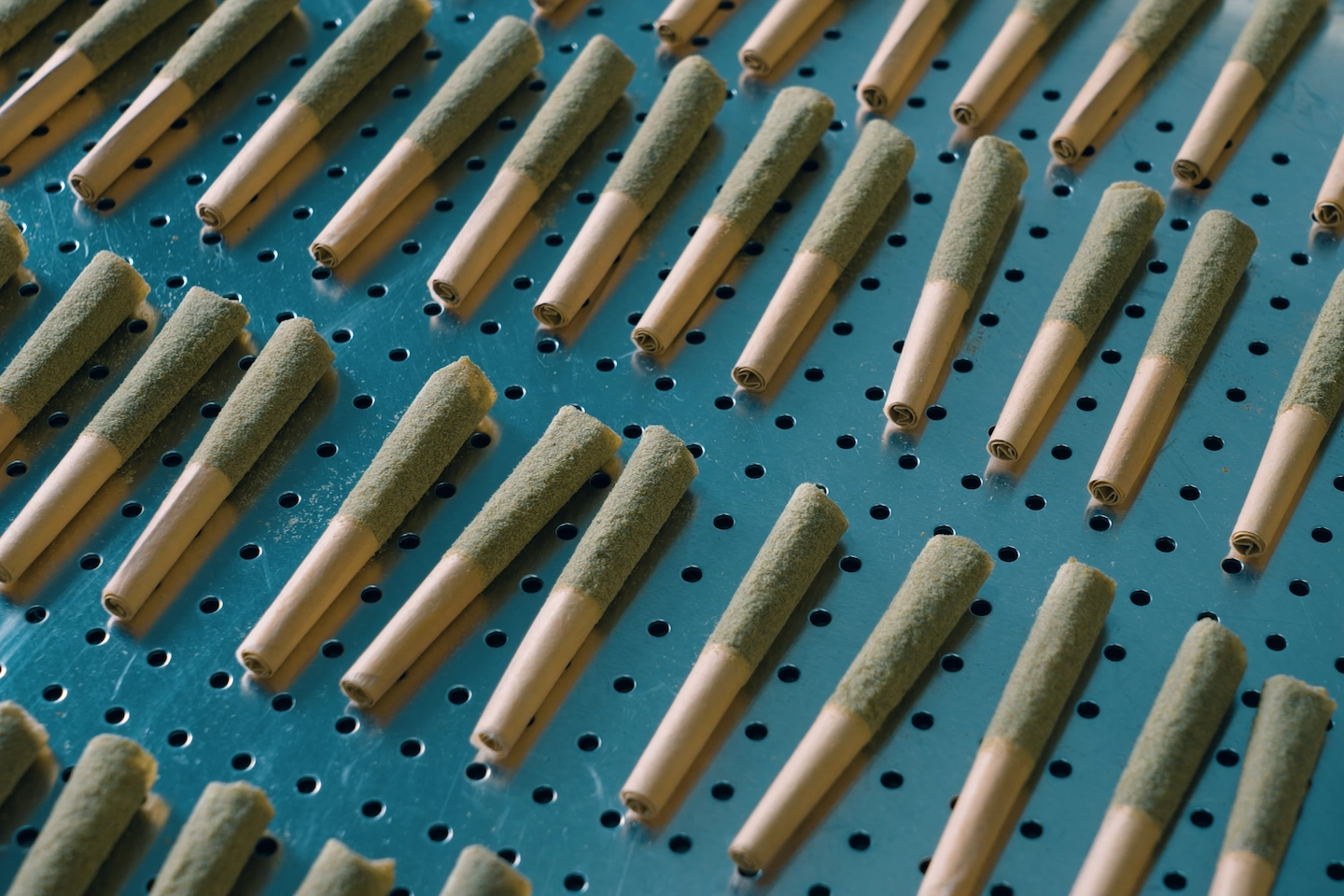
Best Kief Coating Machines for Infused Pre-Roll Production in 2026
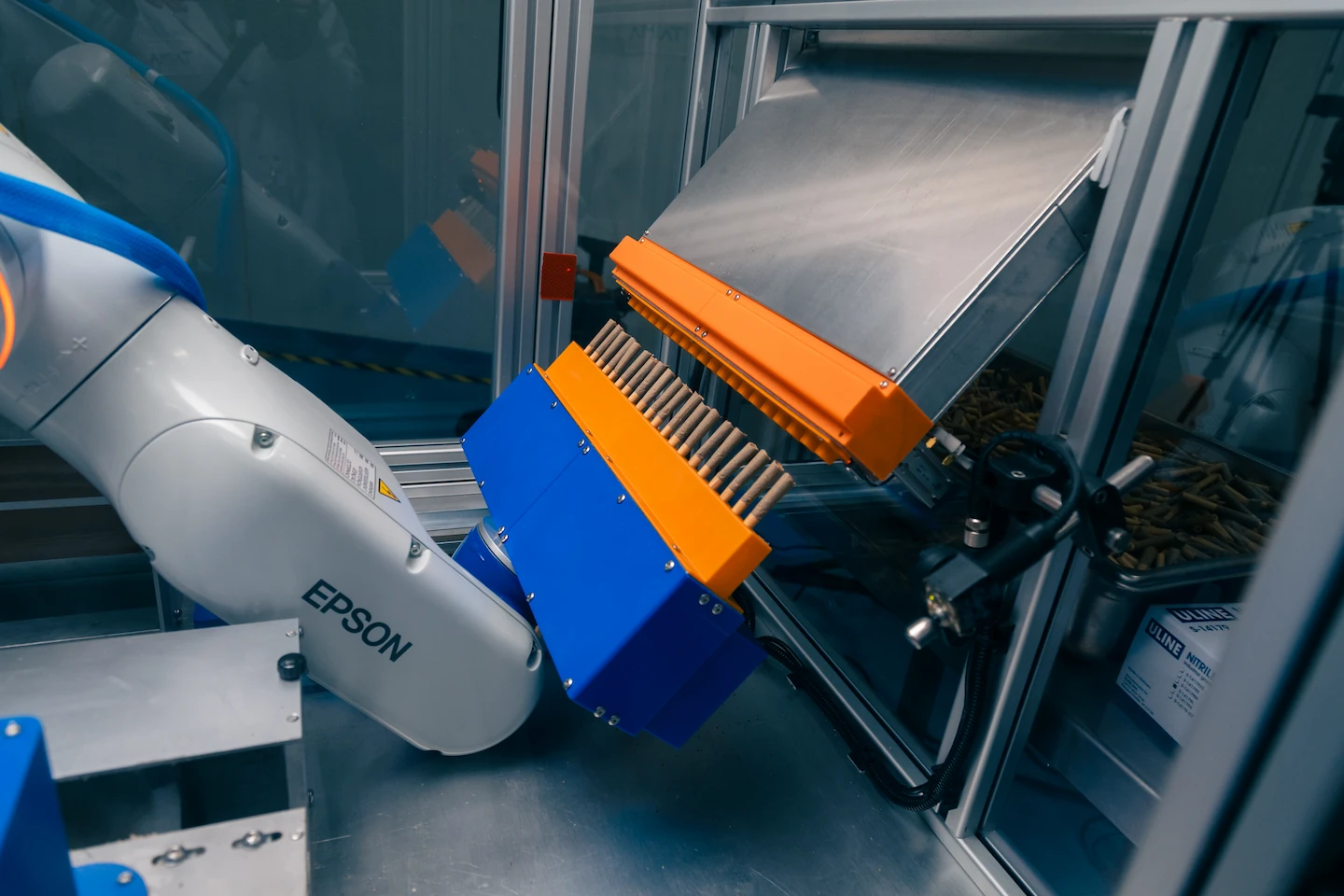
Best Kief Coating Machines in 2026: 5 Top Machines for Infused Pre-Roll Production
Infused pre-rolls require extra steps, whether you infuse the interior or coat the outside with kief, infused pre-rolls require extra steps that regular pre-rolls don’t. On the floor, it’s nearly impossible to tackle these extra steps in bulk by hand, especially when you’re trying to maintain consistent product quality.
That’s where a commercial kief coating machine comes in. Commercial kief coating machines automate part or all of the exterior coating process, helping you handle volume at scale. Of course, not all of these machines work the same way, nor do they measure their throughput in the same manner. That makes the choice for your growing facility even more challenging.
So to help you out, we’ll discuss the best kief coating machines on the market today and help you find the best fit depending on your volume, workflow, labor needs, formats, available production space, and budget.
Best Kief Coating Machines at a Glance
1. Taima Automated Kief Machine
We developed our Automated Kief Machine based on firsthand pre-roll production experience – not by guessing at what operators needed. After increasing production volume for our cannabis contract manufacturing clients made our manual hand-coating workflow inefficient, we developed our coating technology.
We designed our system to reduce touchpoints by automating both adhesive and kief-coating application, rather than merely handling one part of the process as many machines do. As a result, the Taima Extracts machine can help you reduce labor, maintain hand-coated quality, and speed up your line, with the capacity to finish up to 3,200 units per hour with just two operators.
It does so thanks to a 20L vessel that reduces refill time and a 140-unit hopper that lets you load pre-rolls without individually seating them into grippers. Rotating at 1,000 RPM, 20 pre-rolls at a time pass through the adhesive spray, creating 360° coverage and a defined, crisp glue line for consistent quality that shows up on shelves. Our Automated Kief Machine also helps streamline quality assurance. We built in a clump management system to keep your kief flowing during repeated production cycles and reduce lumps in the finished coating.
Ultimately, if you’re looking to automate both the adhesive and coating processes with the same machine, there are few better options than the Taima Automated Kief Machine. We built it ourselves to handle our own manufacturing work more efficiently, and we’re confident it will help your team achieve a new standard for quality and throughput, too.
Reach out to us today for more information.
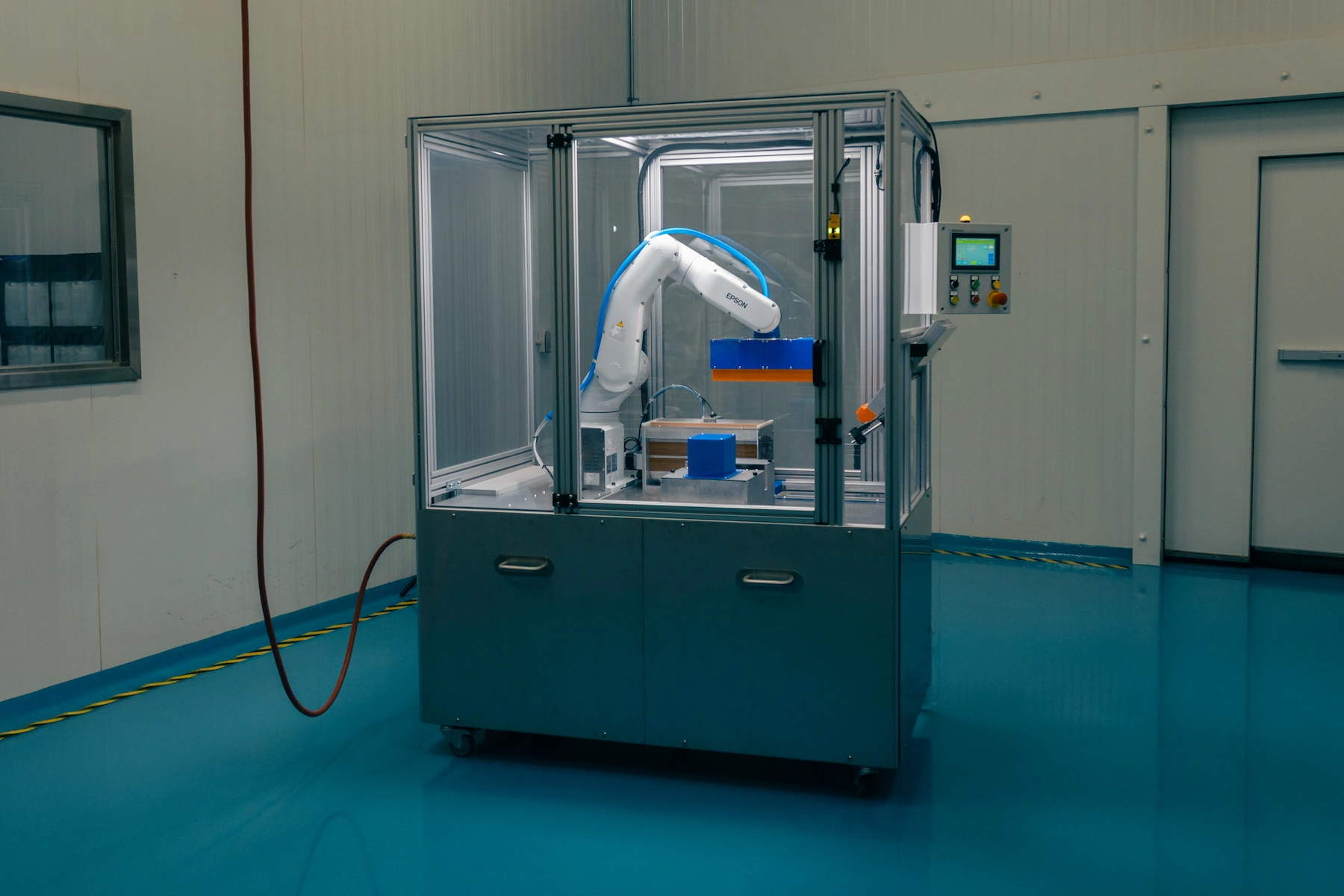
2. KiefLabs KL120/KL-360
KiefLabs makes the KL120 and KL-360, two machines that handle adhesive and kief coating, respectively. The KL120 applies adhesive or distillate, then the KL-360 tumbles the pre-rolls in kief.
Here’s where throughput can get confusing: while the KL120 can produce up to 7,000 pre-rolls per hour with just two operators, that’s for adhesive coating only. For application, the KL120 uses two stainless steel roller housings/reservoirs with independent temperature controls. Both sides can operate simultaneously, coating up to four pre-rolls at a time. For compatibility, the KL120 works with a variety of adhesives and sizes. It works with gum arabic, pre-mixed adhesives, and distillate for a versatile binding layer, and it accommodates pre-rolls up to 120 mm long or 20 mm in diameter, with adjustable crutch holders for size.
Obviously, switching between two machines from adhesive coating to kief application can slow your team down. So when comparing pricing and ROI with other machines, account for factors like labor, floor space, and actual finished-product throughput.
Overall, KiefLabs equipment is well-liked by operators who benefit from a modular system that keeps adhesive and kief coating applications separate.
3. Sorting Robotics Stardust
The Sorting Robotics Stardust machine handles both adhesive and exterior kief coating within the same system. Together, the machines promise a throughput of 1,600 finished joints per hour with just one operator. To address consistency, the Stardust uses recipe-controlled coating for both adhesive and kief settings, allowing you to save recipes for repeat production runs and consistent quality. As for versatility, Sorting Robotics’s machine is compatible with cones, tubes, and blunts, with tooling matched to your specific formats, as well as kief, bubble hash, diamonds, and other powdered coatings.
While the Stardust supports distillate, gum arabic, and cigar glue as binders, an optional or additional spray station for the adhesives will help when switching between materials. Along with their 45-minute recommended daily clean-up, this can add time to the overall process, so it’s something to consider when choosing a machine.
If you’re looking for a machine that handles both adhesive and coating and uses recipes to help switch between formats, the Stardust by Sorting Robotics is worth strong consideration.
4. Accelerant CoatPRO v2
Accelerant’s CoatPRO v2 is an automated system that delivers consistent kief, diamond, or hash pre-roll coatings without turning out a product that looks machine-produced. The CoatPRO uses a different coating method than Accelerant’s earlier spray-confection-based approach, and it produces up to 1,200 pre-rolls per hour with just one operator.
Unfortunately, Accelerant’s new technology requires a curing time of 10 minutes per joint, which is another factor to consider when comparing it with others. To help you save time, the CoatPRO v2 has a 175 cubic inch kief reservoir to reduce refills and a compact size, which makes installation in even the smallest facilities more seamless.
Equipped with an onboard iPad and Slack support, Accelerant works to maintain machine uptime and offers operators a Production-as-a-Service (PaaS) model, offering throughput-based pricing rather than requiring a large upfront equipment purchase. This means the CoatPRO v2 is best if your facility needs to produce more with less labor and could benefit from a subscription service rather than a large upfront capital cost. The downside is that you won’t own the machine, as you would with the Taima machine and some others.
5. PreRoll-Er Coat-Er
PreRoll-Er’s Coat-Er machine advertises a throughput of 1,500 pre-rolls per hour, using a fully automated robot to move the units through the coating process. Like other machines on the list, the Coat-Er uses a 360-degree rotating head to evenly distribute the coating around the pre-roll and is adjustable for different sizes with tool-less changeovers. Unlike others on our list, though, the Coat-Er is uniquely equipped with a sub-zero tumbler that chills the SKUs to 0°F during the coating process.
While there’s little research backing up its benefits, PreRoll-Er reports that the colder environment helps stabilize the product, reducing problems such as clumping, smearing, and uneven adhesion. The Coat-Er supports a variety of exterior materials beyond kief, including diamonds, crumble, hash, and custom particulate blends, and can integrate with PreRoll-Er’s filling machine as part of their larger modular ecosystem.
Ultimately, if you need temperature-controlled material handling or want a kief coating machine that you can integrate with your existing PreRoll-Er product setup, the Coat-Er is a great investment.
What to Look for in a Kief Coating Machine
Buying a kief coating machine for your facility is a big investment, and what you need will differ based on what you’re producing. Here’s what to consider:
Throughput
While throughput isn’t the only factor to consider, it’s very important, and different companies measure it differently.
Before you select the fastest or highest-throughput machine, pay attention to what each machine’s “throughput” actually measures. Some companies may measure only when the adhesive application and kief come together, not the actual finished product, or account for loading, transferring, and refilling materials. Then, consider how many finished coated pre-rolls you’ll need to produce per hour, shift, or day, rather than selecting the “fastest” machine advertised. A machine with a lower headline rate can still make sense if it requires less labor or eliminates another step somewhere down the line.
Finally, leave yourself room to grow. Equipment should accommodate your expected production increases without being so oversized that the added capacity doesn't justify the cost.
Coating Consistency
Production speed doesn’t matter if your machine’s coating consistency requires rework or if you waste time rejecting poorly coated units. To ensure you’re making an investment that will contribute to the quality and consistency of your products, spend extra time evaluating how each machine controls adhesive application, distributes the kief, and covers one pre-roll to the next.
The most adaptable equipment will allow you to adjust controls during the process, such as:
- Adhesive amount
- Rotation speed
- Coating duration
Finally, review how the equipment handles material clumping, flow, and buildup, which can affect repeatability and final appearance. While some manufacturers may provide measurable tolerances or other consistency specifications, use these as comparison points only. Not every machine measures or provides this spec, which doesn’t make them any less consistent and may keep you from the one that’s just right for your facility.
Compatibility
One of the biggest mistakes operators make when seeking new equipment is shopping for what they’re making today, not for what they’ll be making in the future. To avoid this at your facility, review a machine’s compatibility and capability for different pre-roll formats. Confirm the sizes, shapes, and formats the equipment produces now with your future production plans.
You’ll also want to determine whether a machine can accommodate multiple formats automatically or if it needs tooling or part changes to support this, because changeover to accommodate different SKUs affects your timing and throughput. If you are running multiple formats already, look for a machine that supports not only various shapes, sizes, and adhesives, but coatings too, allowing expansion into other pre-roll types, such as kief, hash, THCA diamonds, etc.
Generally, features like adjustable settings, separate reservoirs, and seamless part changes will benefit a multi-SKU operator more than one producing a single high-volume SKU.
Costs and ROI
Lastly, the cost and return on investment (ROI) are big factors that you’ll want to consider when comparing kief coating machines. To figure this out, rather than comparing machines to each other, you’ll want to ask how much labor, time, and material the equipment will save you compared with the existing workflow. Most importantly, look beyond the machine’s initial purchase price when comparing one to another, as higher throughput doesn't automatically mean faster payback. The initial cost won’t include the less obvious running costs in the ROI equation, such as labor, consumables, maintenance, downtime, utilities, and material waste, which all affect your company’s bottom line.
Finally, consider how you’ll purchase the equipment, as different manufacturers offer different pricing models, such as leasing, financing, and production-based pricing.
Conclusion: What Is the Best Kief Coating Machine?
In the end, no single kief coating machine is best for every operation. The best machine for your facility will depend on your production needs and workflow. However, choosing an operator-designed machine like our Taima Automated Kief Machine is always a good idea.
We built our machine to support our work manufacturing cannabis products for companies throughout Canada and the US – we know which features are the most helpful because we innovated this machine to speed up our own lines while maintaining high quality.
If you’re looking to bring high-volume kief coating in-house, we can help. Schedule a consultation with Taima now to learn more.
Best Kief Coating Machines: Frequently Asked Questions
Before you go, here are answers to some of the questions we hear most about the best kief coating machines.
How Many Pre-Rolls Can Kief Coating Machines Coat Per Hour?
Commercial kief coating machines can handle 1,000+ pre-rolls per hour, with some systems reaching 3,000 or more. The exact number depends on the machine, how much of the coating process it automates, and how many operators it requires.
How Much Does a Kief Coating Machine Cost?
The cost of kief coating machines varies by manufacturer. Cost depends on the equipment, configuration, production capacity, and how it’s sold. Some manufacturers provide pricing by quote, while others offer leasing, financing, or service-based pricing instead of an upfront purchase.
When Should You Automate Kief Coating?
Kief coating automation makes sense when manual coating becomes a bottleneck. If your team is struggling to keep up with production, spending too many labor hours on coating, or having trouble getting consistent results from batch to batch, it may be time to consider a machine.
Can Kief Coating Machines Handle Different Pre-Rolls and Coatings?
Some kief coating machines can handle different pre-rolls and coatings, and some cannot; it depends on the machine. Commercial systems may support different pre-roll sizes and formats, as well as coatings such as kief, hash, THCA, or other particulate materials. Check the machine’s compatibility with your specific pre-rolls and formulations before buying.